AI agents for real estate: what they can and cannot do in 2026 | November 7, 2026 | 11 min read | Ezora Editorial Team
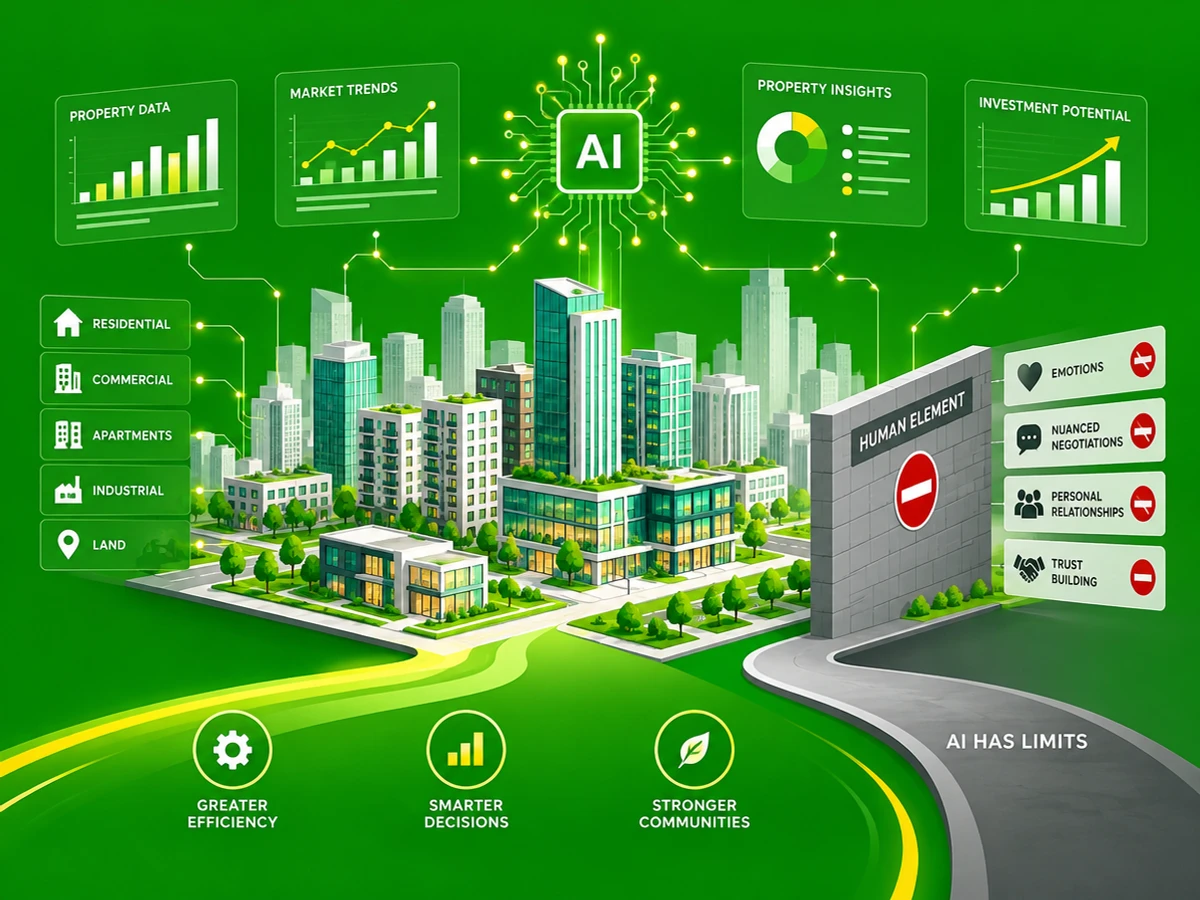
AI agents for real estate: what they can and cannot do in 2026 comes down to one distinction. AI agents reliably automate repetitive, high-volume, rules-based tasks like lead qualification, viewing bookings, and after-hours calls. They still cannot replace human judgment in negotiations, complex valuations, or emotionally sensitive client relationships. In India, where AI adoption in corporate real estate surged from under 5% in 2023 to 91% in 2025, agencies are learning this the hard way. Deploying a tool is easy. Knowing where to draw the line between automation and human intervention is what separates real results from wasted budget.
This article offers a realistic, India-specific map of that line. It is written for real estate agencies, rental management companies, insurance providers, and home services businesses that want a grounded answer about what actually works on the ground in 2026.
The businesses getting real ROI from AI in 2026 aren't the ones that automated everything. They're the ones that automated the predictable 80% and built a clean handoff for the unpredictable 20%.
What Can AI Agents for Real Estate Actually Do in 2026?
In 2026, AI agents for real estate can reliably handle the repetitive, structured, high-volume front-office work that eats up agent time, including answering calls, qualifying leads, booking viewings, and following up with cold prospects. Modern AI systems designed for real estate can achieve high factual accuracy on structured questions when trained on a business's own project data, pricing sheets, and approval documents.
Core Capabilities in Production Today
- 24/7 lead qualification: AI agents collect budget range, timeline, locality preference, and intent before a human joins, so agents only chase leads worth their time.
- Viewing and site-visit scheduling: Agents check calendars, confirm appointments, and send reminders, cutting the back-and-forth that often stalls a booking for days.
- After-hours call answering: Property inquiries in India spike in the evening and on weekends. AI agents catch the calls and WhatsApp messages agencies would otherwise miss.
- Follow-up sequencing: Leads receive consistent, timed follow-ups instead of getting buried in an agent's inbox.
- Document and FAQ handling: Agents answer standard questions on unit configurations, possession dates, amenities, and RERA approval status straight from a project's registered documents.
| Capability | Typical Trigger | Business Outcome |
|---|---|---|
| Lead qualification | Portal enquiry, Meta ad lead, website form | Only sales-ready leads reach the human team |
| After-hours answering | Missed call or late-night WhatsApp query | Zero missed inquiries, faster first response |
| Viewing booking | Qualified lead requests a site visit | Calendar-confirmed appointment, fewer no-shows |
| Follow-up sequences | Lead goes cold after initial contact | Higher re-engagement rate without manual chasing |
| Real-time reporting | Ongoing lead and call activity | Visibility into funnel performance without manual tracking |
Key Takeaway: AI agents for real estate excel at the front door of the funnel: answering, qualifying, scheduling, and following up. This is work that institutional operators are increasingly expected to automate as a baseline of operational maturity rather than a competitive edge. For deeper context, see 5 Game-Changing AI Tools Every Real Estate Agent Needs in ....
What Can't AI Agents Do? The Real Limitations in Real Estate
Despite recent gains, AI agents for real estate cannot replicate human negotiation skill, nuanced valuation judgment, or the trust needed in sensitive, high-stakes client relationships. Trying to automate these tasks is a common cause of failed deployments. Only 5% of Indian real estate firms report hitting their actual AI goals despite 91% adoption, largely because they tried to automate work that genuinely needed a human.
Where Human Judgment Still Wins
- Price negotiation: Closing a deal means reading tone, managing emotion, and making real-time trade-offs that no script handles reliably yet.
- Complex valuations: Automated valuation models work for standardized comparisons. Unique properties, disputed titles, or unusual market conditions still need an experienced appraiser.
- Legal and compliance nuance: Questions about title disputes, inheritance, or project-specific legal exceptions require a qualified professional, not a generated answer.
- Emotionally sensitive conversations: A client facing a distressed sale, a family dispute, or a first home purchase needs empathy AI cannot offer.
- Strategic account relationships: High-value repeat clients and institutional partners expect a named relationship manager, not a bot.
An AI agent that improvises a possession date is a compliance exposure, not a sales asset.
This principle runs through industry guidance on AI calling agents in India. AI agents must operate within a tightly controlled claim set. That matters most under RERA's transparency and accountability obligations, which require agents to escalate anything outside their defined scope rather than guess.
Key Takeaway: These limitations are not bugs waiting to be fixed. They mark the boundary where automation should stop and a licensed human should step in. For deeper context, see Why AI Can't Replace Your Real Estate Agent.